


Choosing Pet-Safe Houseplants for Family Homes
Keep cats and dogs safe by selecting non-toxic indoor plants that still look beautiful in busy, family-friendly living spaces.

Why Pet-Safe Planting Matters in a Busy Family Home
Cats climb, dogs chew and toddlers put absolutely everything in their mouths. In a household where all three are present, a houseplant is not just decoration — it is something that will, at some point, be investigated, nudged and possibly nibbled. That is why choosing non-toxic greenery is one of the simplest bits of pet-proofing you can do.
Most houseplant poisonings are not dramatic. A cat that chews a leaf of something irritating will usually drool, paw at its mouth and vomit, then recover. But a few common plants cause serious harm. Lilies — including the Easter and Asiatic types sold in supermarkets — can trigger acute kidney failure in cats from a single bite, or even from grooming pollen off their fur. Sago palms cause liver damage. Plants in the aroid family, such as dumb cane, philodendron and pothos, contain insoluble calcium oxalate crystals that burn and swell the mouth and throat.
The good news is that plenty of genuinely beautiful plants are classed as non-toxic for cats and dogs, and many of them cope well with the low light and dry air of a British home in February.
Safe, Hard-Working Plants for Family Rooms
These are the ones to build your collection around. All are widely available, forgiving of imperfect care and safe around pets.
- Spider plant (Chlorophytum comosum) — practically indestructible, happy in a hanging basket out of reach, and it produces baby plantlets you can pot on for free.
- Parlour palm (Chamaedorea elegans) — a neat, slow-growing palm that suits a north-facing sitting room or a hallway corner.
- Boston fern (Nephrolepis exaltata) — brilliant for a bathroom or kitchen where the humidity is higher; keep the compost lightly damp.
- Prayer plant and calathea (Maranta, Goeppertia) — dramatic patterned foliage, though they prefer filtered light and rainwater if you can manage it.
- Peperomia — dozens of varieties, from small round-leaved types to tall ripple-leaved ones, all compact enough for a shelf.
- African violet (Saintpaulia) — flowers reliably on a bright windowsill and stays small.
- Cast iron plant (Aspidistra elatior) — the Victorian answer to a dark, draughty hallway, and it is still the best one.
- Ponytail palm (Beaucarnea recurvata) — sculptural, drought-tolerant and safe, ideal for a sunny spot away from radiators.
- Orchids (Phalaenopsis) — safe and elegant, though keep them well above the reach of a curious Labrador's tail.
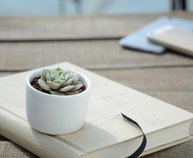
Add a few hens and chicks (Echeveria and Sempervivum) or haworthia for a sunny kitchen sill, and you have greenery that works in a family home without a constant worry in the back of your mind.
Common Plants to Leave on the Shelf
It is worth knowing the usual suspects by name, because they turn up in almost every garden centre and supermarket.
- Lilies, including Hemerocallis (daylily) — highly toxic to cats; avoid cut flowers in the house too.
- Sago palm and other cycads — severe liver toxicity in dogs.
- Dumb cane (Dieffenbachia), philodendron, pothos, monstera and peace lily — mouth and throat irritation.
- Rubber plant and weeping fig (Ficus species) — sap irritates skin and mouth.
- Aloe vera and jade plant (Crassula ovata) — vomiting and lethargy if eaten in quantity.
- Amaryllis, cyclamen, azalea and kalanchoe — all best kept out of a pet-friendly house.
If you already own one of these, you do not have to bin it. Move it somewhere genuinely unreachable — a high shelf, a closed spare room, a conservatory the dog cannot access — and be honest about whether that is realistic in your home.
Placing Plants Sensibly in a Busy Household
Positioning does more work than any repellent spray. Think in terms of layers, the way you would child-proof a kitchen.
- Hang it. Ceiling hooks and macramé hangers keep trailing plants like spider plants completely out of reach, and they free up floor space.
- Go high. Wall shelves, the top of a tall bookcase or a narrow console table work well, provided nothing can be used as a launchpad nearby.
- Cover the compost. A layer of large pebbles or decorative gravel stops cats treating pots as litter trays and discourages digging.
- Protect the roots. A snug inner pot inside a heavier cachepot prevents muddy water ending up on the carpet when something gets knocked.
- Use a stand. A simple plant stand raises pots off the floor, away from chewing puppies and busy feet.
Grouping plants together also helps them cope with dry central heating, as the leaves create a slightly more humid microclimate between them.
Small Habits That Keep Everyone Happy
Feed your pets something legal to chew. A small tray of cat grass — wheatgrass, oats or barley sown in a shallow dish — gives a cat a satisfying alternative to your ferns and takes about a week to grow.
Wipe leaves with a damp cloth every few weeks rather than relying on leaf shine products, which can leave residue your pet may ingest while grooming. Wash your hands after repotting, and sweep up fallen leaves and spent flowers promptly; a dropped lily petal is just as dangerous as the plant it came from.
Finally, get into the habit of checking before you buy. Ask at the till, look the plant up, or keep a note on your phone of the safe list above. Five seconds of checking saves an anxious evening and a vet bill — and it means your home can be properly full of green, without a single worry about the family members with four legs and wet noses.

Post a comment