


Caring for Houseplants During Dark Winter Weeks
Shorter days mean less growth, so adjust watering, move plants nearer light and pause feeding until spring arrives.

Winter Is a Season of Rest, Not Growth
From around late October through to early March, British homes receive a fraction of the light they enjoyed in summer. Even a bright south-facing windowsill that blazed with sun in July now delivers perhaps a quarter of that intensity, and the daylight itself disappears by mid-afternoon. Most of the houseplants we grow are tropical evergreens that never truly stop, but in low light they slow to a crawl. Leaves unfurl more slowly, roots barely move, and the plant quietly ticks over until longer days return.
Understanding that rhythm is the single most useful thing you can do. Winter houseplant care is not about doing more — it is about doing less, more thoughtfully. Almost every plant that dies between November and February dies of kindness: too much water, too much food, too warm a spot.
Water Far Less, and Always Check the Compost First
This is where most winter losses happen. Cooler rooms, weaker light and slower growth mean your plants use far less water than they did in June, yet many of us carry on watering to the same schedule. The compost stays wet for weeks, roots suffocate, and rot sets in before the leaves even hint at a problem.
Get into the habit of testing before you pour. Push a finger two to three centimetres into the compost, or use a slim wooden stick and see whether it comes out damp. If there is any moisture there, wait. Water only when that top layer has dried out, and expect the gap between waterings to double or even triple compared with summer.
- Use room-temperature water. Cold tap water straight onto tropical roots is a shock; let a jug stand overnight.
- Water in the morning. Any surplus has the day to drain and evaporate rather than sitting around overnight.
- Empty the saucers. A plant left standing in water for hours is a plant heading for root rot.
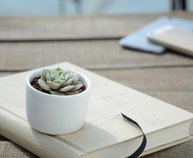
- Ease off completely for cacti and succulents. Many can go from October to March with barely a drop, especially in a cool room.
Yellowing lower leaves, a soft brown base, fungus gnats circling the pot or a sour smell from the compost all point to overwatering. Let the plant dry out, move it somewhere airy and cool, and resist the urge to compensate with more water.
Chase the Light, Week by Week
Your brightest windowsill in winter is precious. Move your light-hungry plants — rubber plants, monstera, string of hearts, succulents — as close to a south- or west-facing window as you sensibly can. A spot that is merely "fine" in summer can be a dim corner by December.
Rotate each pot a quarter turn every week or so, so the whole plant gets its share of the limited light rather than leaning permanently towards the glass. Dust is a genuine problem in winter: a film on the leaves blocks the light the plant is already struggling to gather. Wipe glossy leaves with a damp cloth or give them a lukewarm shower every few weeks.
Do be careful of the glass itself. On frosty nights, leaves pressed against a single-glazed pane can be damaged by the cold. Draw plants back a few centimetres after dark, or line the sill with a piece of card as a buffer. If you have a genuinely gloomy room and a plant that simply will not cope, a small LED grow light on a timer for six to eight hours a day is a reasonable investment rather than a gimmick.
Pause the Plant Food Until Spring
Feeding a plant that cannot use the nutrients is not helpful. In low light, growth slows so dramatically that fertiliser simply accumulates in the compost, raising salt levels and damaging tender roots.
As a rule, stop feeding from October and start again in March, when you see the first flush of new growth. When you resume, begin at half the recommended strength for the first few weeks.
- Exceptions: plants growing under a grow light, or those actively flowering, such as a Christmas cactus in bud or a moth orchid in bloom, can have a very weak feed once a month.
- No repotting. Leave root work until spring, when the plant can recover quickly. If a pot is truly waterlogged, slip the plant into a slightly larger pot with fresh compost and keep it on the dry side.
Watch the Warm, Dry Air
Central heating dries the air in our homes, and most tropical houseplants prefer around 40 to 60 per cent humidity — far more than a heated sitting room in January provides. Brown, crispy leaf tips on ferns, calatheas and spider plants are the classic sign.
Group plants together so they create their own humid microclimate, and stand pots on a tray of pebbles with water kept just below the pebble line. Keep foliage well away from radiators, and shield plants from draughts when doors to the garden are opened. Misting helps for a moment but can encourage leaf spots, so raising humidity around the plant is usually the better route. Steam from a bathroom or kitchen suits ferns beautifully if there is enough light.
Check Plants Weekly for Early Warnings
A five-minute inspection each weekend catches problems while they are small. Look at the undersides of leaves, where pests hide, and at the joints where leaf meets stem. Dry winter air is a gift to spider mites, so watch for fine webbing and a speckled, faded look to the foliage. Mealybugs appear as small white tufts; scale as little brown bumps along the stems. Wipe them away with a damp cloth or a cotton bud dipped in diluted washing-up liquid, and isolate any affected plant from its neighbours.
Drop a leaf or two after a move or a cold snap and the plant is usually fine. Sudden collapse, blackened stems or a soft, foul-smelling base is not. Deal with it promptly, and remember that in winter, restraint is the kindest thing you can offer your greenery. Do less, check more, and your plants will greet the spring ready to grow.

Post a comment