


Choosing Bedroom Plants for a Calmer Sleep Space
Certain indoor plants may support a restful atmosphere, adding soft greenery and a sense of calm to your evening routine.

Why Greenery Belongs in the Bedroom
Bedrooms are strange rooms. We ask them to do something quite specific — help us switch off, breathe more slowly and drift into sleep — yet we often furnish them with screens, tangled cables and piles of laundry instead. A little greenery can quietly tilt the balance back. Plants soften hard lines, introduce a bit of natural texture, and give your eye something restful to land on rather than a glowing notification.
The trick is choosing the right plants for the conditions a British bedroom actually offers. Most of us sleep with the curtains closed, the heating on low, and a window that is sometimes open and sometimes firmly shut against the drizzle. That means low light, warm dry air in winter, and a slightly unpredictable watering routine. Fortunately, plenty of plants thrive on exactly that kind of neglect.
Understanding Bedroom Conditions
Before you buy anything, take an honest look at your room. A bedroom facing north with a small window receives very little direct sun, while a south-facing bay window can heat up dramatically in July. Most sleeping spaces sit somewhere in between, with filtered light in the morning and dim conditions after dark.
- Light levels: Hold your hand up in the middle of the day. If you can barely see its shadow, you are working with low light and should choose accordingly.
- Temperature swings: British homes often run warm in the evening and cooler overnight as the heating clicks off. Most tropical houseplants cope, but avoid placing them directly against a radiator or a single-glazed window in January.
- Humidity: Central heating dries the air out. A grouping of plants naturally raises local humidity, which can feel kinder on your throat and skin overnight.
- Space and safety: Keep plants off the floor where you walk in the dark, and avoid trailing varieties on a bedside table where a sleepy hand might knock them over.
Plants That Suit a Sleep Space
Some plants have earned a reputation as bedroom favourites, and mostly that reputation is deserved — though not always for the reasons the internet claims. Treat the following as reliable, forgiving companions rather than medical equipment.
- Snake plant (Sansevieria): Tolerates low light, needs watering perhaps once a fortnight in winter, and stands upright in a slim pot that fits neatly beside a wardrobe. Its architectural shape adds calm rather than clutter.
- Peace lily: Prefers brighter, indirect light and droops theatrically when thirsty, which makes it an easy plant to read. Its dark green leaves absorb light beautifully in a dim room.
- Spider plant: Practically indestructible, happy in most positions, and produces little offsets you can pot on and give away. A good first plant for a teenager's room.
- Rubber plant (Ficus elastica): A statement piece for a corner with some daylight. Glossy, deep-toned leaves and a slow, steady growth habit.
- Heartleaf philodendron or pothos: Trailing vines that look lovely on a high shelf, well out of the way of duvets and pillows.
- English ivy: A British garden classic that adapts well indoors in cooler rooms, though it does prefer a little more light and regular watering than a snake plant.
What Plants Really Do Overnight
You will have read that certain plants release oxygen at night and therefore improve your sleep. There is a grain of truth here: most plants respire around the clock, and a few — snake plants and peace lilies among them — use a form of photosynthesis that lets them take in carbon dioxide after dark. The quantities involved are tiny, though. A single plant in a typical bedroom will not noticeably change the air you breathe.
What plants genuinely do is more subtle and, frankly, more useful. They give you a reason to pause. Watering, misting and checking for new leaves is a slow, tactile task that nudges you out of screen mode before bed. That small ritual — five minutes with a watering can instead of a phone — is probably the most sleep-friendly thing in this entire article.
Styling for a Calmer Room
Clutter is the enemy of calm, so resist the urge to turn your bedroom into a jungle. One or two well-chosen plants will do more for the atmosphere than a crowded windowsill.
- Stick to a colour palette. Deep greens, muted greys and natural textures — terracotta, woven baskets, pale wood — sit together comfortably and feel restful.
- Play with height. A tall floor plant beside a chest of drawers, or a small trailing pot on a shelf, draws the eye upward without crowding surfaces.
- Choose matte pots over glossy ones. They reflect less light and feel softer in a dim room.
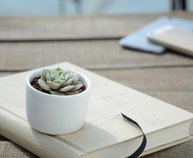
- Keep the bedside table clear. If you want greenery close by, a small succulent or a single stem in a narrow vase is plenty.
A Simple Evening Routine
Get into the habit of checking your bedroom plants in the early evening rather than the morning, when you are rushed. Water only when the top inch of compost feels dry — overwatering kills far more houseplants than neglect ever will. Wipe dusty leaves with a damp cloth so they can make the most of the light they receive, and turn pots a quarter turn each week so growth stays even.
If a plant starts to struggle, resist the urge to fuss. Move it somewhere slightly brighter, ease off the watering, and give it a few weeks. Most houseplants recover from almost anything except kindness in the form of constant attention.
Finally, keep the room itself in mind. A cool, dark, quiet bedroom with a bit of green in the corner is a gentle invitation to rest. The plants are not doing the work of helping you sleep — but they make the room a nicer place to try.

Post a comment